
South Africa’s Growth Imperative
For several years, the South African Government has reiterated its objective of growing the South African economy and strengthening long-term sustainability. Despite these assurances, economic growth remains constrained, with both actual and forecast growth rates reflecting continued stagnation.
Against this backdrop, Small, Medium and Micro Enterprises (“SMMEs”) have consistently been identified as central to South Africa’s economic development policy since the country became a democracy in 1994. As in many other developing countries, SMMEs are seen as engines of growth and primary drivers of job creation.
The Department of Small Business Development (“DSBD”) is currently developing policies and initiatives to support SMMEs in South Africa. The key question, however, is whether existing fiscal and policy measures are sufficient to unlock the full potential of SMMEs and support their long-term sustainability.
The Historical Context Shaping the SMME Landscape
Any meaningful discussion regarding SMMEs in South Africa should be grounded within its historical context.
The legacy of apartheid continues to shape the current business environment. During apartheid, black South Africans were largely excluded from meaningful business ownership and access to high-quality education, largely confined to unskilled labour, while key industries such as mining remained under European control.
These structural inequalities entrenched income inequality and limited SMME development among previously disadvantaged communities. International sanctions and domestic activism eventually led to the end of apartheid and the establishment of democratic governance under the African National Congress (“ANC”) in 1994.
Post-apartheid, South Africa has faced persistent economic challenges, including high inequality and a poorly performing economy. To address this, policies like Black Economic Empowerment (“BEE”) and institutions such as Khula Enterprise were introduced to support previously disadvantaged entrepreneurs and promote the growth of SMMEs, aiming to reduce inequality and foster inclusive economic development. While these reforms were necessary, structural challenges have persisted.
The Reality Facing South African SMMEs
The National Development Plan (“NDP”) envisions that 90% of the projected 11 million new jobs by 2030 will be created by SMMEs. However, the data reveal a more complex reality.
South Africa has approximately 2.6 million entrepreneurs, of whom 37% are young business owners. The majority of SMMEs in South Africa are micro-enterprises (54%) and primarily operate informally, with only 37% registered with the Companies and Intellectual Property Commission (“CIPC”).
Despite this, formally registered SMMEs are major drivers of the economy, contributing R2.9 trillion to GDP (as at the end of 2023), underscoring their economic significance.
Sustainability, however, remains a critical concern:
- Most South African MSMEs are in the start-up or growth phases, with 70% failing within five years. This high mortality rate poses a challenge to the sector’s potential contribution to inclusive economic growth.
- Access to finance remains limited, particularly during the early stages of operation.
- Many entrepreneurs rely on personal savings or informal funding due to a lack of tangible assets or an established revenue history.
- A large portion of South Africans lack access to networks capable of providing early-stage capital.
While Total Entrepreneurial Activity (“TEA”) increased from 10.8% in 2019 to 17.5% in 2021, with new business ownership nearly doubling from 3.7% to 7.3% over the same period. However, the business discontinuance rate increased from 4.9% to 13.9%, with 27.4% of closures attributable to the COVID-19 pandemic and 6% due to positive exits, such as business sales.
The data illustrate a paradox of sorts. Entrepreneurial activity is increasing, yet long-term sustainability seems elusive.
Sustainability Within the Global Framework
From a global perspective, sustainability has become a central policy objective. In 2015, the United Nations Member States adopted the 2030 Agenda for Sustainable Development, which includes 17 Sustainable Development Goals (“SDGs”).
In broad terms, these SDGs aim to identify strategies to improve human health and education, reduce inequality, spur economic growth, address climate change, and preserve Earth’s oceans and forests.
Goal 8 seeks to “promote sustained, inclusive and sustainable economic growth, full and productive employment and decent work for all.” Sub-goal 8.3 specifically targets “development-oriented policies that support productive activities, decent job creation, entrepreneurship, creativity and innovation, and encourage the formalisation and growth of micro-, small- and medium-sized enterprises, including through access to financial services”.
South Africa’s domestic policy objectives regarding SMMEs should therefore align with broader global sustainability principles.
Fiscal Policy and the SMME Tax Burden
Although funding constraints are widely recognised as a key barrier to their growth and sustainability, there is limited commentary or empirical evidence assessing whether South African fiscal policy effectively alleviates SMME tax burdens and supports their sustainability.
From a tax perspective, special concessions exist under the Small Business Corporation and Turnover Tax regimes. Whether these measures meaningfully enhance sustainability in practice remains uncertain.
South Africa cannot afford to increase tax rates or place additional strain on an already overburdened taxpayer base. Consideration must instead be given to broadening the tax base in a practical and sustainable manner. Supporting the development and formalisation of SMMEs could form part of that broader strategy.
One can propose various reforms and make recommendations, but if those proposals and recommendations (once implemented) are not sustainable, it logically follows that they cannot sustain the SMME they aim to support.
What Should Budget 2026 Deliver?
Budget 2026 presents an opportunity for the Government to move beyond policy rhetoric and introduce concrete, targeted measures that directly address the structural barriers facing SMMEs.
Concrete action, commitment and long-term policy consistency will be required. Without this, the dream of sustainable economic growth in South Africa will remain just that… a dream.
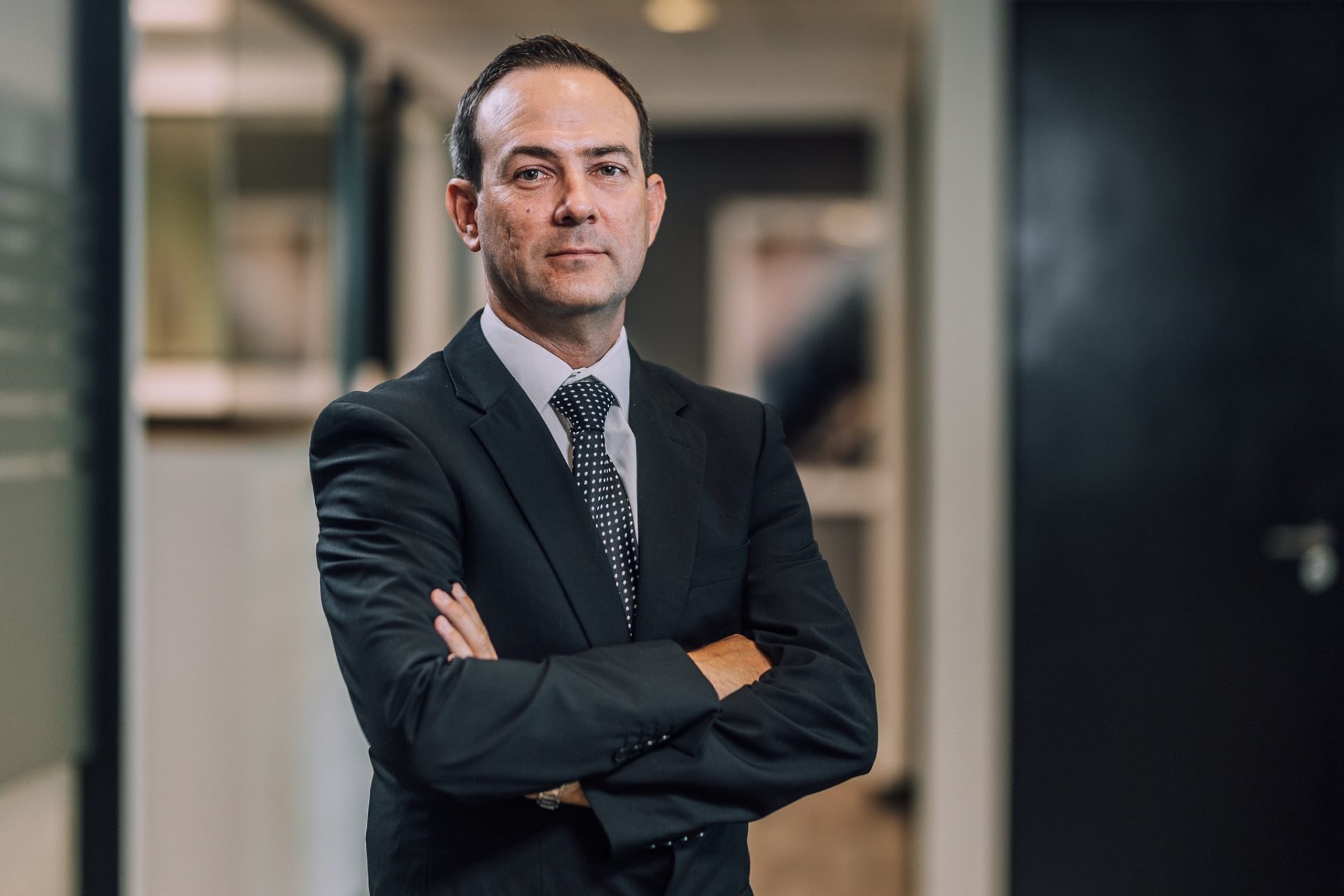
Leonard Willemse is a Director in AJM’s South African Indirect Tax practice, specialising in VAT and indirect tax advisory. With over 15 years’ post-articles tax consulting experience, he advises businesses on complex indirect tax matters, compliance, risk management, and dispute resolution across South Africa.
Leonard completed his articles at PwC Stellenbosch and lectured Tax at postgraduate level at Stellenbosch University for six years. He holds a BAcc, BAcc Honours and MCom (Taxation) degree and is a Chartered Accountant (SA) affiliated with SAICA, as well as a SAIT-registered Chartered Tax Adviser. Prior to joining AJM, he served as Senior Manager at Mazars Tax Consulting, where he led the South African Indirect Tax Focus Group and currently acts as an Examiner for SAIT on Indirect Tax for the External Integrated Summative Assessment (EISA).